
EGYPT, ALEXANDRIA
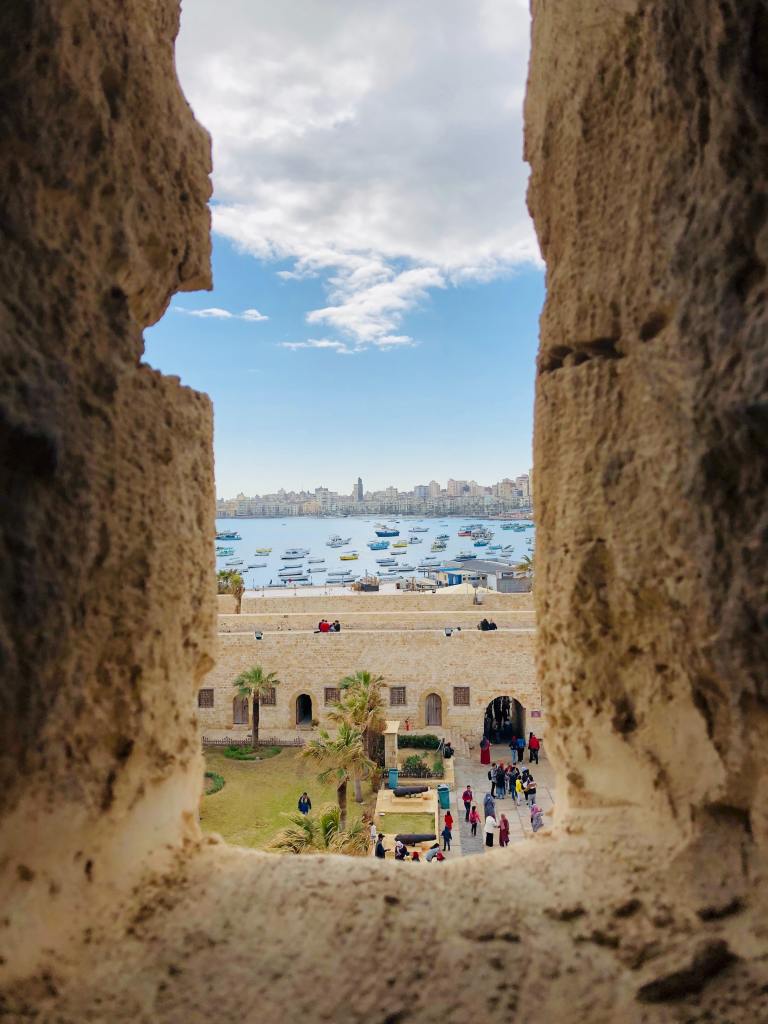
Our list starts with the one and only Alexandria, the city with a rich history.
Alexandria is a Mediterranean port city in Egypt. During the Hellenistic period, it was home to a lighthouse ranking among the Seven Wonders of the Ancient World as well as a storied library. Today the library is reincarnated in the disc-shaped, ultramodern Bibliotheca Alexandrina. The city also has Greco-Roman landmarks, old-world cafes and sandy beaches. Its 15th-century seafront Qaitbay Citadel is now a museum.
WHAT TO SEE
- Bibliotheca Alexandrina ( ancient great library, which is a cultural center nowadays, home of the Manuscript Museum or hte Antiquities Museum)
- Alexandria National Museum ( I hope i don’t have to explain why is this a MUST to stop for history lovers)
- Fort Qaitbey ( Built in 1480, used to be a place of the Pharos Lighthouse, one of the seven wonders of the ancient world)
- Kom el-Dikka (small roman theater from the Roman era)
- Catacombs of Kom el-Shuqqafa (this one is from the 2nd century AD, discovered in 1900, on a funny way, as a donky was falling into them)
- Pompey’s Pillar ( This pillar is 27 meters tall, and it was set up in AD 292 in honor of Diocletian, who supplied food for the starving population after a siege of the city.
- Montazah Gardens ( built in 1890, looks like an oasis, it is a lush haven of palm trees)
- Cleopatra’s Palace ( this one is an amazing underwater experience, sphinxes tumbled columns and statues are still there, and you can dive into the waters to check them out, really unique)
- El Alamein War Memorials ( History lovers probably knows, that this Second World War memorial is located here, and it is a nice gesture from Alexandria to hold a place for a piece of the modern world history)
GREECE, ATHENS
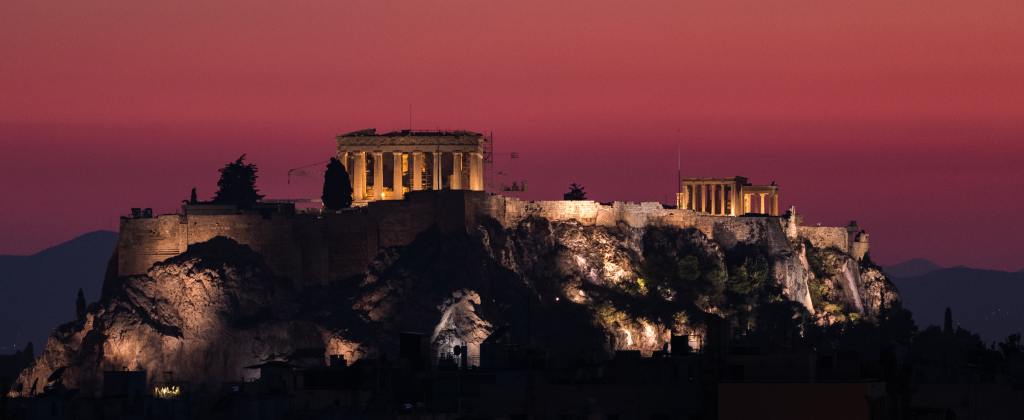
Second on our list is Athens, which one of the richest historical city in Europe.
A symbol of Western Civilization at its most magnificent, Athens’ illustrious history stretches back more than 3,000 years.
Athens is the capital of Greece. It was also at the heart of Ancient Greece, a powerful civilization and empire. The city is still dominated by 5th-century BC landmarks, including the Acropolis, a hilltop citadel topped with ancient buildings like the colonnaded Parthenon temple. The Acropolis Museum, along with the National Archaeological Museum, preserves sculptures, vases, jewelry and more from Ancient Greece.
WHAT TO SEE
- Acropolis (One of the most breathtaking ancient ruins in the history)
- Parthenon ( the largest temple of the classical antiquity period dating from 447 BC to 338 BC)
- Temple of Athena Nike and Erechteion ( a complex of ancient sanctuaries built between 421 BC and 395 BC)
- Acropolis Museum ( contains one of the most valuable collections of ancient Greek art in the world)
- National Archaeology Museum ( a MUST TO SEE for history lovers)
- Ancient Agora: Ruins of the Marketplace
- The Roman Agora & Hadrian’s library ( bulit in AD 132, founded by Emperor Hadrian)
- Olympieion: Temple of Olympian Zeus ( dedicated to Zeus, was the largest temple in ancient Greece)
- Church of the Holy Apostles ( built in the 10th century)
TURKEY, ISTANBUL
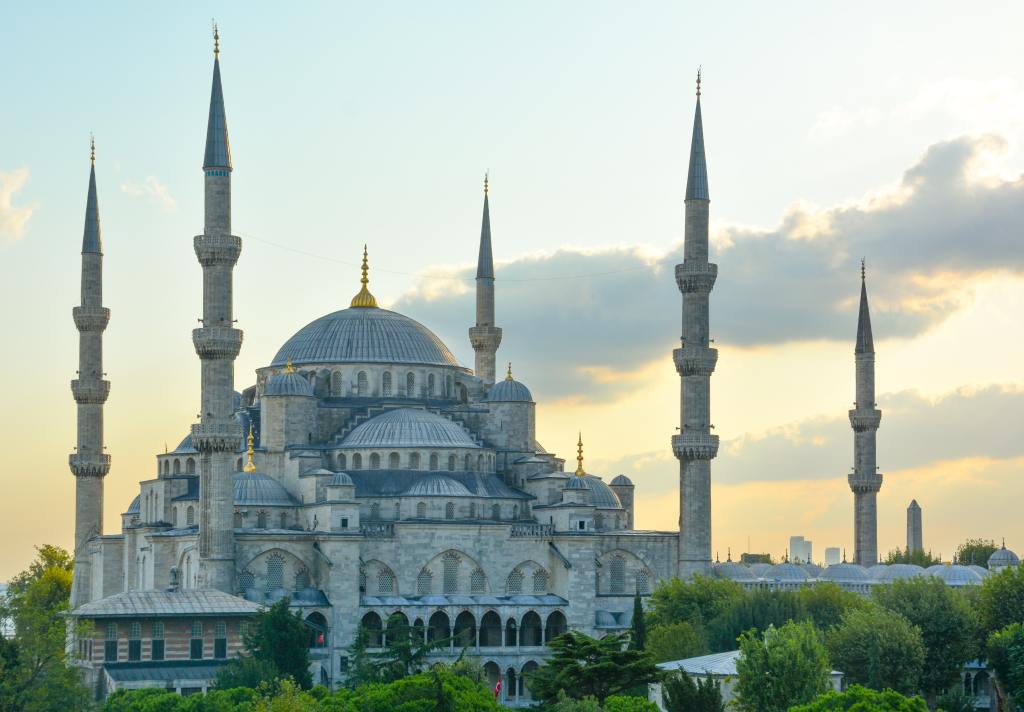
Istanbul is a major city in Turkey that straddles Europe and Asia across the Bosphorus Strait.
Its Old City reflects cultural influences of the many empires that once ruled here. In the Sultanahmet district, the open-air, Roman-era Hippodrome was for centuries the site of chariot races, and Egyptian obelisks also remain.
The iconic Byzantine Hagia Sophia features a soaring 6th-century dome and rare Christian mosaics.
Coveted by empires across the centuries, straddling both Europe and Asia, Istanbul is one of the world’s great metropolises.
Founded around 1000 BC, the colony of Byzantium grew into the Byzantine Empire’s great capital of Constantinople and after the Ottoman conquest of the city, retained its glorious place as the heart of their empire.
WHAT TO SEE
- Aya Sofya ( finished in AD 536, by Empereor Justinian, one of Istanbul’s most cherished landmarks)
- Topkapi Palace (built in the 15th century)
- Blue Mosque ( built between 1609 and 1616)
- Basilica Cistern ( finished by Justinian in the 6th century)
- Hippodome (the ancient Hippodrome was begun by Septimius Severus in AD 203 and completed by Constantine the Great in AD 330)
- Istanbul Archaeology Museum ( not far from the Topkapi Palace, great time to spend for history lovers)
- Grand Bazaar ( with the 11 gates, and huge maze it is an amazing, and a really unique experience)
- Little Aya Sofya ( before Emperor Justinian built the Aya Sofya, he had to test out if the building would work structurally, so he built this miniature version first)
- Yedikule Fortress ( built in the 5th century by Emperor Theodosius II)
- Galata Tower ( built in the 14th century, this is Istanbul’s most recognizable landmark)
ITALY, ROME
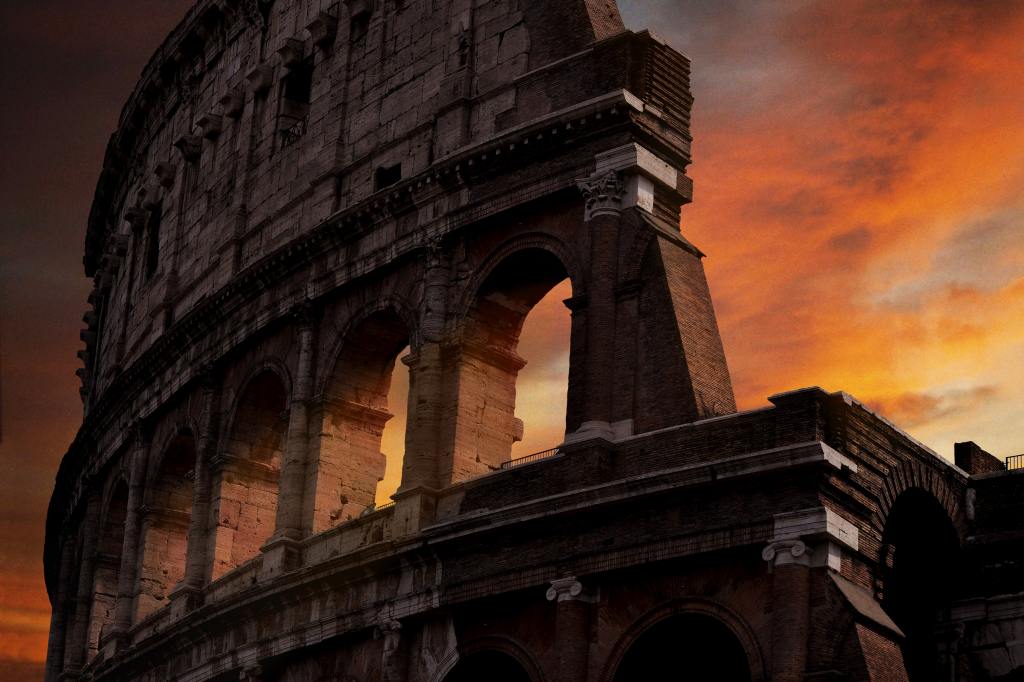
Rome, it is also the country’s most populated comune. It is the third most populous city in the European Union by population within city limits.
In a city so filled with icons of antiquity and the Christian faith, it’s hard to know where to go first.
WHAT TO SEE
- The Colosseum and the Arch of Constantine ( the building was begun by Vespasian in AD 72)
- Vatican City (the Vatican is the smallest independent state in the world, with an area of less than half a square kilometer, most of it enclosed by the Vatican walls)
- The Pantheon ( more the 2000 years old)
- Roman Forum
- Trevi Fountain (one of the city’s most popular tourist attractions, this 17th-century masterpiece has been immortalized in films until it is almost a required visit)
- Centro Storico & the Spanish Steps
- Santa Maria Maggiore (one of Rome’s most majestic churches, Santa Maria Maggiore has stood here since the fourth-century Pope Liberius had a vision of the Virgin directing him to build a church where snow fell the following day)
- The Catacombs and Via Appia Antica
- Palatine Hill (strategically set 50 meters above the Tiber, the Palatine Hill shows evidence of Rome’s earliest settlement)
PERU,CUSCO
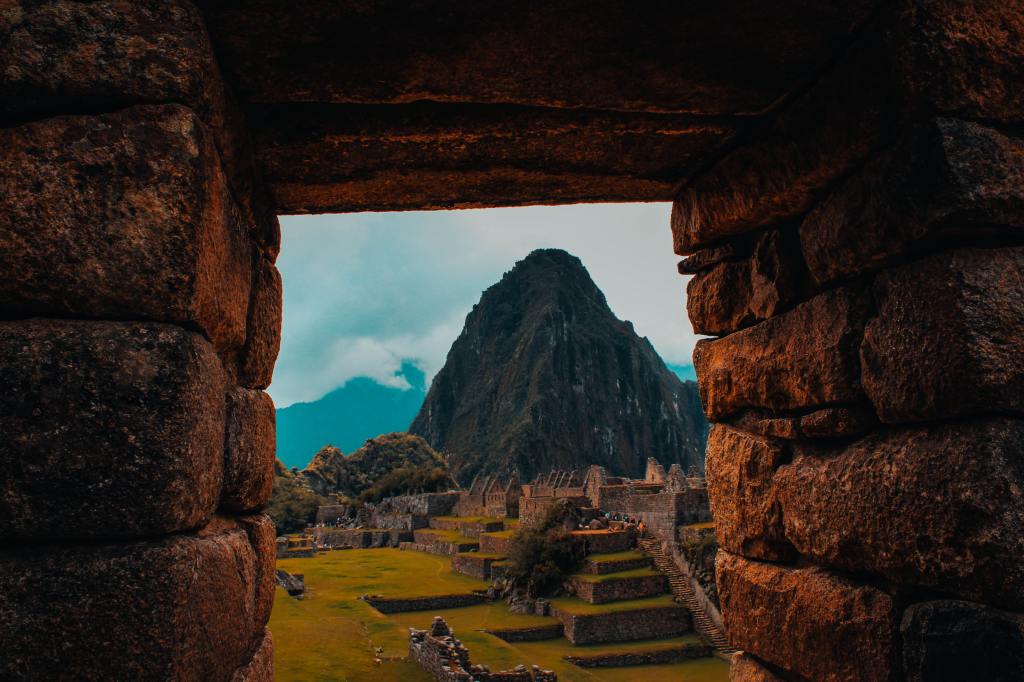
Cusco, a city in the Peruvian Andes, was once capital of the Inca Empire, and is now known for its archaeological remains and Spanish colonial architecture.
Plaza de Armas is the central square in the old city, with arcades, carved wooden balconies and Incan wall ruins. The baroque Santo Domingo Convent was built on top of the Incan Temple of the Sun (Qoricancha), and has archaeological remains of Inca stonework.
Former capital city of the Incas, Cusco is the oldest continuously inhabited city in the Americas and a UNESCO World Heritage Site
WHAT TO SEE
- Santo Domingo and Coriacancha ( The church of Santo Domingo is built on the ruins of the famous Inca site of Coricancha, the Templo del Sol or Temple of the Sun)
- Inca Walls ( walking beside the ancient Inca Walls that line the narrow streets of Cusco is like walking through an outdoor museum)
- La Compania ( compania de Jesus, usually called La Compania, is a Jesuit church built in the 16th century)
- Plaza de Armas ( The Plaza de Armas has been the heart of Cusco from the time of the Inca Empire, when the square was called Huacaypata or Aucaypata)
- Cathedral ( construction on Cusco’s cathedral began in 1559 and was completed in 1669)
- Machu Pichu ( not part of Cusco, but one of the most famous historical location in our world and history, once in a lifetime experience)
That would be it, i hope you like them, and i hope i could help for you, if you are a history lover, and can’t decide where to go next!
Let me know, if i am missing something out what is important! Otherwise, thank you!
Instagram: https://www.instagram.com/tourguyd13/?hl=hu
 Because Travel is life